How Avengers: Endgame’s Writers See Their Future With Marvel

How Avengers: Endgame’s Writers See Their Future With Marvel
The Avengers in Avengers: Endgame

In the last 11 years, few filmmakers have had as big an effect on the Marvel Cinematic Universe as Christopher Markus and Stephen McFeely. Initially the duo were hired by Marvel Studios to write the script for Captain America: The First Avenger, but not only did they go on to pen the entire Captain America trilogy, but they also developed both Avengers: Infinity War and Avengers: Endgame with directors Joe and Anthony Russo (not to mention they also created the Agent Carter television show). That’s an impressive track record all by itself – but fans will be excited to know that they still feel they have more to contribute to the franchise.


Last week I had the wonderful opportunity to interview Christopher Markus and Stephen McFeely for the latest episode of our HeroBlend podcast, and in addition to doing a deep dive into Avengers: Endgame, I also asked them about their current relationship with Marvel Studios. As you would expect following the release of one of the biggest movies of all time, the two sides are currently on excellent terms, and Markus made it sound like the door is open for them to potentially collaborate on another movie for the franchise at some point in the future:


We're all great friends. We are not at the moment on a Marvel job, but that's not to say that we wouldn't take another one when the right opportunity came up. We can't write a bigger movie. We can't raise the stakes. We can't do better at the box office. So, you know, if and when we come back it will be for probably one character in a small situation, and re-expand from there. But I don't know who that is.


So while as of right now it looks like Phase Four may be the first era of the Marvel Cinematic Universe not to feature a film scripted by Christopher Markus and Stephen McFeely, that might not necessarily continue to be the case. The two writers aren’t working on a project for the franchise right now, but given the right inspiration it sounds like they’d be happy to jump right back into the action.


But what could that potential project be? Given the legacy of Marvel Comics it’s actually hard to make a specific guess – and it’s an even greater challenge now that the merger between the Walt Disney Company and 21st Century Fox has been completed. Now the two writers could not only potentially take on any of the classic Avengers characters, but Fantastic Four and all of the X-Men are now up for grabs as well. We’ll just have to wait for them to find the story that they want to tell.


This was just one of the subjects that I had the chance to talk about with Christopher Markus and Stephen McFeely, and you can actually listen to the full interview now as part of the latest episode of HeroBlend:


Is there a specific character that you’d like to see Christopher Markus and Stephen McFeely take on in the future of the Marvel Cinematic Universe? Hit the comments section below with all of your thoughts, feelings, and ideas, and be sure to stay tuned here on CinemaBlend for a lot more of our Avengers: Endgame coverage!


12 Actors Who Almost Played James Bond Over The Years
12 Actors Who Almost Played James Bond Over The Years
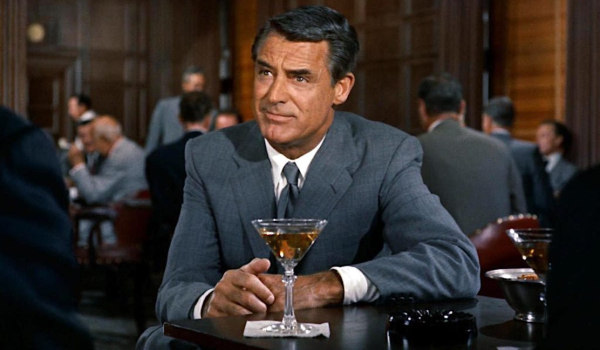
North By Northwest Cary Grant ready to drink a Manhattan

To be offered the part of James Bond is, to some, one of the most sought after gigs ever to hit a casting call. Others, past and present, have seen that offer as either a typecasting nightmare or a public relations struggle, thus making it a poison pill... figuratively speaking. Either way, if your name comes up in reference to a role so huge as 007, it tends to make the rounds whether you take it or not.


And out of the history of the men who would be Bond, there are 12 actors who are surprise choices, as well as some prime targets, that all would have brought something different to the role. But in the case of this batch of a dozen candidates, none of them were issued that infamous license to kill.


Cary Grant


Right from the beginning of recorded franchise history, there was a surprise candidate on the shortlist to play 007 that would have changed the history of the character forever. Hollywood legend Cary Grant was offered the role as casting for Dr. No was underway, thanks to the fact that he was a personal friend/best man to the producer running the show, Albert “Cubby” Broccoli. While their friendship was strong, the British born, but American citizen Grant turned down the role for one important reason that was mentioned in The Guardian’s confirmation of this iconic story: at 58 years old, Cary Grant thought he had aged out of the part. Sean Connery was then cast, and the rest became history.


Dick Van Dyke


When Sean Connery left the role of James Bond for the first time, after 1967’s You Only Live Twice, a lot of candidates were vetted to take over the role, including a young Timothy Dalton. But while Dalton’s youth seemed to be the stumbling block that prevented him from taking the job, Chitty Chitty Bang Bang star Dick Van Dyke didn’t get the leading role in another Ian Fleming adaptation because of his controversial English accent. According to knowledge that came out of an appearance on Kevin Pollak’s Chat Show, via Yahoo, Van Dyke’s work on that very film was what interested Albert Broccoli in asking him if he’d wanted the role. But that offer quickly passed, as Dick Van Dyke asked him if he’d remembered his accent from Mary Poppins, and the offer was rescinded as quickly as it was made. Though, at the very least, Van Dyke did eventually apologize at the BAFTAs for the whole accent situation.


Clint Eastwood


If there was an American who could have taken the mantle of James Bond and been believable in the process, Clint Eastwood is one of the few who could have done it. During the hunt that eventually delivered George Lazenby into the lead for On Her Majesty’s Secret Service, Eastwood’s name came up in the proceedings as his lawyer also represented series mastermind Broccoli. Even in the face of an offer that gave him the hottest ticket in town, and, according to The Telegraph, a pretty lucrative pay day, the acting/directing powerhouse couldn’t bring himself to accept because it didn’t feel right. Considering how unforgettable Sean Connery was in the role, even to Clint Eastwood himself in that very moment, one can’t fault him for passing.


Burt Reynolds


Just as Burt Reynolds admitted in his autobiography that Sally Field was the one that got away in his romantic life, the Smokey and The Bandit actor fully admits that he also let his chance to be 007 slip through his fingers as well. Though, via USA Today’s coverage of that book, But Enough About Me, the late actor admitted that he passed up on the role merely because he didn’t think the moviegoing public would believe him as Bond, James Bond. Being offered the role around the time he played detective Dan August on TV, Reynolds turned down the chance to play the lead in Diamonds Are Forever. While this eventually allowed Sean Connery to return a second and final time to the franchise proper, Burt Reynolds felt that in retrospect, he could have done a hell of a job in the position.


James Brolin


This is the closest we’ve ever come to having an American playing the role of James Bond, as The Amityville Horror star James Brolin was pretty much cast as James Bond during a crucial phase in his 1980s history. The actor was screen tested for 1983’s Octopussy, when Roger Moore looked to be exiting the series in favor of new opportunities, and pretty much had the part. However, as Den Of Geek pointed out, the production of a rival Bond remake starring Sean Connery, and the recent financial woes MGM and United Artists ran into, both influenced the studio to win Moore back to his record setting job. So just as Brolin was getting ready to relocate to England full time, it all fell apart, leaving him to move onto one of his most famous roles: Peter McDermott, the general manager of the St. Gregory hotel, on the popular TV series Hotel.


Mel Gibson


While 1983’s Octopussy brought Roger Moore back to the table for two more James Bond films, 1985’s A View to a Kill would eventually mark the man’s official departure from the role. And around that time in movie history, a young Australian actor by the name of Mel Gibson was making a name for himself by starring in the Mad Max series of films. His work in that trilogy undoubtedly helped MGM come around to offering him the role, just in time for The Living Daylights to get underway, but Gibson was unphased by this potential job offering. Per coverage of an appearance on The Graham Norton Show, via Express, the man who would eventually shift over to films like Lethal Weapon said he rejected the idea because he wasn’t at all interested. Which was better off for the studio, because Albert Broccoli was not convinced he’d be a good fit, and the role eventually opened up for Timothy Dalton to finally claim it.


Sam Neill


Getting Timothy Dalton into the role of James Bond wasn’t as easy or certain as you’d think, as not only did he have to wait a while after first turning down starring in On Her Majesty’s Secret Service (he felt he was too young for the role at the time), but he also was a part of a pretty wide net cast for The Living Daylights. That net not only included Mel Gibson, but also Jurassic Park’s Sam Neill, who was apparently bullied into screen testing for the film by his agent. At least, that’s what his remarks to The Telegraph said at the time he admitted to it. The screen test footage did eventually see the light of day, but not until after the settlement of a mini-crisis involving that clip not being fully cleared for usage before being included on the initial DVD release of The Living Daylights.


Ralph Fiennes


As the legal battle over the James Bond series flared up yet again in the late '80s, the delay between License To Kill and what would have been Timothy Dalton’s third Bond film eventually lead to the actor’s contract expiring without any attempt at renewal. Once the dust had settled and it was time to bring 007 into a post-Cold War world, Goldeneye was the name of the film that would make an actor the lucky spy to update the series. Believe it or not, we almost had actor Ralph Fiennes playing the role, as he admitted in an interview in Seven Magazine, via The Telegraph, that he was approached by the series’ producers. Ultimately, Fiennes wasn’t up to committing to a franchise, and he felt that the people in charge of the series were more stuck on Pierce Brosnan than anyone else. While he wasn’t too attached to Bond, Ralph Fiennes would eventually land a role that he’s still covetous of to this very day, Voldemort in the Harry Potter franchise. Still, he is the current M in the Daniel Craig era of films, so you could say that this was fate.


Ewan McGregor


If there’s anything the James Bond series has taught fans, it’s that if you don’t retire from the role, a big rift in history will do the job for you. That’s how Pierce Brosnan ended up vacating the franchise, as once Die Another Day was released, he would eventually find himself replaced, with a new round of recasting up and running. And a lot of names were considered to be James Bond in the run-up to Casino Royale, with Ewan McGregor factoring in pretty chiefly among them. Of course, were it not for his performance as Obi-Wan Kenobi in the Star Wars universe, he might not have felt typecast and would have taken the role. Though in more recent times, McGregor has admitted that if he were to ever be considered again, he’d be more inclined to take the part and run.


Hugh Jackman


Another pretty big name in the Casino Royale derby was the incomparable Hugh Jackman, of X-Men and The Greatest Showman fame. As the story he told Variety goes, his agent asked him if he’d want to be considered for the role, which was being recast around the same time that X-Men 2: X-Men United was about to go into production. Not a fan of the stories the James Bond series was running at the time, Jackman passed because he felt something edgier would have been his bag, and having another involved franchise on his plate would have complicated his schedule even more. So before it got too hot, Hugh Jackman politely declined, ironically just as the Bond series was about to reboot itself in that dark and edgy tone he probably would have said yes to.


Karl Urban


New Zealand native Karl Urban falls into a boat similar to that of American candidate James Brolin before him, as fate had other ideas when it came to his consideration for the role of James Bond. Only this time, as Urban told Nine.com, it was because of a prior engagement that he didn’t land the role of Casino Royale. While he met with the producers of the series, and things went rather well in that respect, all that was missing was one final screen test to seal the deal. And that deal was definitely not sealed, because Karl Urban’s filming schedule at the time prevented that screen test from happening. But as surprising as Urban’s name is on the short list, there’s one pretty big name that got to the final four, only to see Daniel Craig win out overall.


Henry Cavill


Still a couple years out from his career boosting role on Showtime’s The Tudors, as well as playing a very Bond-like figure in The Man From U.N.C.L.E., a then-22-year-old Henry Cavill was part of the final screen tests that would decide who got to star in Casino Royale back in 2005. Listed among Daniel Craig, Goran Visnjic and Sam Worthington in the BBC’s coverage of the event, Cavill’s rejection story is quite simple when compared to all the others that we’ve covered previously. He simply wasn’t selected in the field that included Craig’s candidacy, which left him open for other opportunities in franchise like the DC Extended Universe and the Mission: Impossible series. Though another lesson that we’ve learned from the Bond franchise is, quite simply, never say never.


Henry Cavill has expressed interest and enthusiasm about potentially becoming James Bond, while cooly rounding off the rumors that continue to dog him as saying he doesn’t know what’s in store for the series after Daniel Craig’s departure. He certainly wouldn’t be the first person to get a second bite at the apple, with the potential to win overall, so we won’t count him out of the race just yet.


For now though, we’ll have Daniel Craig’s supposedly final James Bond film to look forward to, as Bond 25 is currently in production and set for an April 8, 2020 release date.


Why Captain Marvel Crushed At The Box Office

Why Captain Marvel Crushed At The Box Office

It’s a familiar refrain, ‘X superhero movie made X amount of dollars in a huge opening weekend.’ We are over a decade, arguably almost two, into the comic book movie boom and it is common knowledge that superhero movies make a lot of money, those from the Marvel Cinematic Universe especially so. Yet the predictable nature of these successes does not make them any less impressive, and sometimes a movie surprises us, surpassing even the loftiest of expectations and thus warranting further examination.


It happened with Black Panther and Aquaman last year and now it is happening with Captain Marvel.


This is not to say that Captain Marvel will reach the heights of those aforementioned films, it’s far too early to tell, but it is off to an incredible start. Captain Marvel obliterated the most optimistic forecasts, rocketing to $153 million domestically in its opening weekend. Carol Danvers (Brie Larson) was an international hit as well. The movie earned $302 million overseas for a worldwide opening weekend of $455 million according to Deadline.


Those numbers are good enough for the 6th highest global debut of all time, the biggest March opening ever and the 2nd biggest worldwide opening for the MCU and superhero movies overall. So how did Captain Marvel go higher, further and faster than so many films before it to crush at the box office? Here are some ideas.


Avengers: Infinity War’s End-Credits Scene


Captain Marvel has not historically been an A-list character, and anecdotally, I don’t think she enjoyed the same cultural cachet or name recognition prior to her MCU debut of any of her forbearers save the Guardians of the Galaxy. So what did Marvel do? It gave her the ball in the red zone, a running start, a softball to knock out of the park via the end-credits scene of Avengers: Infinity War.


Captain Marvel really couldn’t have been teed up better than it was thanks to that end-credits scene, which came on the heels of the most jaw-dropping, cliffhanger-y ending to the biggest superhero movie ever. Thanos had snapped his fingers and the Decimation scattered half our heroes to the winds, we were looking for answers and most importantly, hope.


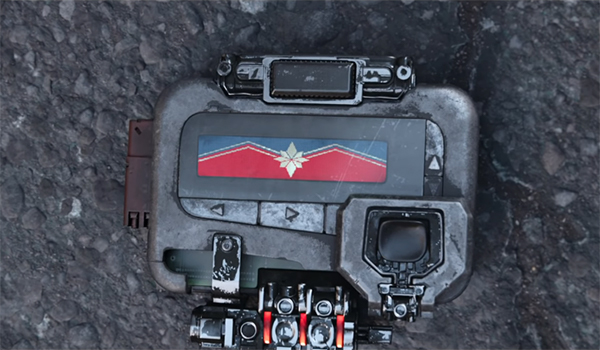
That hope came when Nick Fury, in his dying act, when the hour was most late, called out for help using a strange pager that showed a symbol unfamiliar to many. That symbol was Captain Marvel’s and whether the majority of audiences knew that or not at the time, they probably found out and only became more curious to see the debut of the hero that could be the key to defeating Thanos.


That made Captain Marvel necessary viewing for Avengers: Endgame (although maybe audiences should have paid more attention to Ant-Man and the Wasp). It’s kind of remarkable that the Captain Marvel trailers and marketing didn’t lean into this by beginning with Nick Fury’s page, but it is clear that it didn’t matter.


Captain Marvel Is A New Hero


The MCU has grown by leaps and bounds since it began in 2008 but it still largely revolves around the same core group of characters. And while we love Black Widow, Thor, Captain America, Iron Man and the rest, it is always exciting when a new hero gets introduced. It’s like unlocking a new character in a fighting game, we’re eager to see who they are and what they can do.


The introduction of new characters acts like a soft reset for the universe, like a new coat of paint or a software update, opening up new storytelling possibilities and different permutations for how they will interact with existing pieces. When that character is a new female hero leading her own movie, displaying powers we haven’t seen before, it feels fresh and different and that’s exciting for audiences.


Moreover, there is a reason that superhero movies go back to the well of origin stories so often, and that’s because they work and audiences love them. The last time we got a big new hero being introduced with their own solo movie in the MCU was last year’s Black Panther and before that in 2017 with Spider-Man: Homecoming.


Both of those characters were introduced first in Captain America: Civil War and their successes and the opening weekend of Captain Marvel shows that audiences are ready to meet new characters and see this universe expand. And that’s a good sign with many established characters likely leaving the universe as we head into Phase 4 and new ones take up their mantles.


The Release Date


As is the case with most MCU movies, Captain Marvel entered the weekend unopposed by any other major studio releases, so competition was null. More than that though, Captain Marvel came into the marketplace at a time when audiences were thirsting for a new blockbuster. The first two months of the year have not exactly been full of movies that have forced audiences to brave the winter cold.


Despite wonderful family friendly animated fare like The Lego Movie 2: The Second Part and How to Train Your Dragon: The Hidden World hitting theaters, they don’t really motivate mass audiences to go to the theater the way a live-action, PG-13 tentpole does. The only real movie that could qualify as a blockbuster in the same vein as the MCU flick is Alita: Battle Angel, which sadly didn’t have the power of the Marvel brand behind and was somewhat ignored by domestic audiences, despite being, I would argue, a better movie.


So audiences were ready and waiting for something like Captain Marvel to hit theaters and specifically they were waiting for an MCU film. In a lesson Star Wars could learn from, Captain Marvel arrived 3 months since the last big superhero film Aquaman; 8 months since the last MCU film Ant-Man and the Wasp and nearly a year since Avengers: Infinity War.


That build up since our last visit to the MCU meant that the public was eager to return and Captain Marvel arrived just in time to get us ready for Avengers: Endgame. Arriving on International Women’s Day was also a nice touch.


The Marvel Brand


Success breeds success and there is no more successful brand at the multiplex right now than Marvel Studios. Marvel movies crush at the box office both domestically and overseas and thanks to Captain Marvel’s performance, the Marvel Cinematic Universe will soon cross $18 billion at the box office over 21 films.


This level of unprecedented success isn’t just a result of the quality or entertainment value of the individual films themselves, it is the achievement of the Marvel brand. The MCU is more than the sum of its parts and audiences turn up on opening weekend because it is a Marvel movie. The Marvel name is a trusted one among general audiences, a guarantee of quality and entertainment regardless of what hero gets top billing.


That’s why nothing is really a gamble for Marvel anymore. The days when it was feared that Guardians of the Galaxy might be too obscure and weird to succeed are long gone. Marvel can take perceived risks with its films, like its first female-led superhero film with a lesser-known character because it’s not really a risk with the Marvel name attached.


That Marvel name also lets audiences know that this is the next chapter in the cinematic television series that is the MCU. Skipping out on Captain Marvel would be like missing an episode in a serialized television show. You have to see it because you want to be part of the conversation and see how this impacts things moving forward.


Captain Marvel Offered Something Different


The last reason I think Captain Marvel is crushing at the box office is because of all the things that it brings to the table that seem to set it apart from what’s come before. Captain Marvel herself is a new hero and this is Marvel’s first female-led superhero movie and that’s exciting but this film also offered us smaller things that may have appealed and enticed audiences to come to the theater.


For one the Skrulls and their shape-shifting ability offered a new type of villain in these movies and something that looked like it could be a lot of fun, as the battle with granny Skrull on the train in the trailers showed.There is also the fact that this is Marvel’s first film set in this time period. Many of the people who went to see this film may have lived through or grown up in the 1990s and have some affinity and nostalgic sentiment towards that decade.


Lastly, this film featured some strong supporting players. Audiences have been following Samuel L. Jackson’s Nick Fury since 2008 and we all wanted to see him be in a buddy cop movie with Carol Danvers and find out how he lost his eye. Plus Goose, I mean come on; featuring the cat in the marketing was a smart play.


These elements may be superficial and ultimately Captain Marvel feels like fairly standard superhero origin story stuff, but it doesn’t matter because it looked different and interesting enough for people to show up and help it crush at the box office.


Whatever the reason for its success, Captain Marvel's debut has gotten the MCU's year off to a great start ahead of the all-important Avengers: Endgame next month and it is a positive sign that Carol Danvers can be one of the faces of the Marvel Cinematic Universe in the years to come.


Captain Marvel is now playing. Check out what we thought of the film and what ticket you should buy when you see it. For everything else you can look forward to this year, take a look at our 2019 Release Schedule.


Yes, The Hulk's Snap In Avengers: Endgame Had A 'Smart' Bonus

Yes, The Hulk's Snap In Avengers: Endgame Had A 'Smart' Bonus
Avengers: Endgame Bruce Banner The Hulk Marvel Studios MCU

Spoilers, obviously, for Avengers: Endgame.


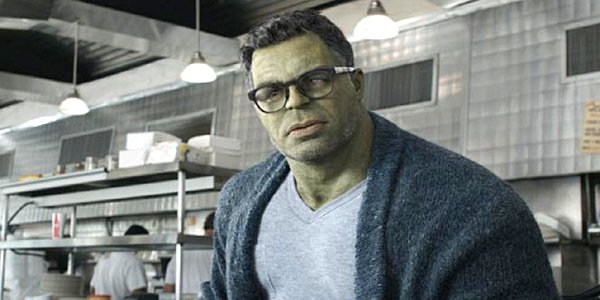
He may not have America's ass, but The Hulk has Bruce Banner's brain in Avengers: Endgame, and he knows how to use it. The Avengers: Endgame Powers That Be have talked about being fascinated by all the ways Thanos' Decimation would affect the planet on a day-to-day level. Just the logistics of it. They almost gave Black Widow a sad storyline directly connected to the missing 50%. It turns out, they also gave thought to the opposite -- what would happen when those 50% came back with The Hulk's Snap.


Avengers: Endgame gave The Hulk the first of two major Snaps. His Infinity Gauntlet save brought back the 50% Thanos vaporized in Avengers: Infinity War. But he didn't just bring them back to the exact circumstances they were in.


Marvel Studios boss Kevin Feige addressed a Reddit user's question on the practicalities of the people brought back from The Hulk's snap. Here's the question and Feige's answer:


Reddit user dwallace3099: People have expressed views that, in Endgame, those brought back by the snap could have died in accidents (like someone being brought back 100 ft in the air where a plane used to be). Is it possible that Hulk, when doing the snap, not only brought everyone back, but also brought them back in a safe place?


Kevin Feige: We refer to the version of Hulk in Endgame as Smart Hulk. So, yes.


Smart Hulk! He already takes selfies with kids, maybe next he'll do Smart Range ads for Whirlpool or something. Maximize that brand.


Whether you call him Smart Hulk or the Professor Hulk of Marvel Comics, we almost saw him in Avengers: Infinity War, since that was the original plan. It's good that he was around in Endgame with enough strength to wield the Infinity Gauntlet and survive, and also enough brains to give some serious thought to his Snap. It almost sounds like the specific wish you have to make to the genie in the lamp -- cover every base or someone will literally be left hanging.


Speaking of that, can you imagine the thrill of being brought back to Earth five years after the Decimation, only to realize you are now in the air -- probably more than 100 feet -- where your airplane was five years ago? Classic.


The time travel elements of Avengers: Endgame are still being dissected, and there's also the time jump angle. The stars of Spider-Man: Far From Home seem stumped by why they are all still in high school if they were gone for five years, but the Endgame writers did try to explain that.


On a more serious note, Avengers: Endgame directors Joe and Anthony Russo have already said that The Hulk is permanently damaged after the events of Endgame -- physically and also emotionally. At least he got to walk away, which is more than can be said for Iron Man after his Snap.


Avengers: Endgame may be topped by John Wick 3 at this weekend's box office but Endgame is about to top Avatar at the domestic box office and I'm pretty sure it'll top the foreign box office -- and hence be the overall highest-grossing movie of all time -- by the end of May.


Tomb Raider 2 Just Took A Major Step Forward

Tomb Raider 2 Just Took A Major Step Forward
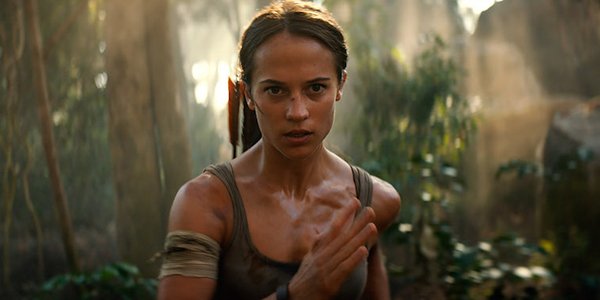
Lara Croft running through the jungle in Tomb Raider

Last year, the iconic video game character Lara Croft returned to the big screen with the Tomb Raider reboot, starring Alicia Vikander as this new iteration. Although that film didn’t exactly usher in the long hoped-for, perpetually delayed golden age of video game movies, it looks like this new Lara Croft will get another opportunity to make that happen. That’s because Tomb Raider 2 just took a major step forward by hiring a writer.


Writers Geneva Robertson-Dworet and Alastair Siddons handled the script duties for Tomb Raider, but MGM and Warner Bros. have brought in some new talent, hiring Amy Jump to pen the sequel, according to Deadline. Most of Amy Jump’s big screen work has come in collaboration with director and her partner, Ben Wheatley. Together they co-wrote 2016’s Free Fire and the upcoming Freak Shift. Amy Jump also wrote the screenplays for Wheatley’s High-Rise and A Field in England.


Amy Jump has experience writing action in Free Fire and apparently Tomb Raider star and Oscar-winner Alicia Vikander liked what the writer brought to the table for Tomb Raider 2. We don’t yet know what the story will be for Tomb Raider 2, but the first film ended on something of a cliffhanger, so I would expect Lara Croft to go on another globe-trotting, tomb-raiding adventure where she continues to fight the shadowy Trinity organization that has infiltrated Croft Holdings.


It is still early, and in addition to the story, we don’t know who the cast will consist of beyond Alicia Vikander or who will direct the sequel, be it Tomb Raider director Roar Uthaug or someone new. Nevertheless, this is a major step and indicates that Tomb Raider 2 is moving towards becoming a reality, and that Vikander’s Lara Croft will get at least two films just like her predecessor Angelina Jolie, who first brought the heroine to life on the big screen.


This news may come as a bit of a surprise to some considering that Tomb Raider didn’t exactly blow the doors off the box office. Domestically, the film never hit number 1 and ended its run with less than $60 million. Lara Croft had much better luck finding treasure overseas though and Tomb Raider finished with a worldwide total of $274.6 million. That’s nearly triple its $94 million production budget.


With this news, it is clear that MGM and WB see value in keeping this rebooted Tomb Raider going with the hopes that it develops into a successful franchise, and it has the potential to do just that. The first film seemed to have a lot going for it going in, but ultimately didn’t click together for a lot of people and critics. Tomb Raider has a 52% Rotten Tomatoes score, and yet, given the competition, some would still argue that it was the best video game movie to date.


Hopefully the sequel can capitalize on the elements that worked in the first movie while shoring up those that didn’t. Alicia Vikander is incredibly talented and her lead performance was one of the highlights of the movie, so a sequel with her in it immediately has serious potential. That it seems that she approved of Amy Jump writing the sequel is also encouraging. Maybe we can even get an Angelina Jolie cameo this time around.


Tomb Raider 2 does not yet have a release date, but we will keep you updated as this sequel moves forward. In the meantime check out our 2019 Release Schedule to see all the movies headed your way this year.


Jeremy Renner Says The Cast Was 'Just As Surprised' Over Avengers: Endgame’s Story

Jeremy Renner Says The Cast Was 'Just As Surprised' Over Avengers: Endgame’s Story
Jeremy Renner as Hawkeye in Avengers: Endgame

Warning: SPOILERS for Avengers: Endgame are ahead!


Normally it’s no issue for filmmakers to provide the actors performing in a movie the entire script, but not so with Avengers: Endgame. With the exception of Robert Downey Jr., none of the Endgame stars were given the full script for the latest explosive MCU movie. So when it came time to watch the movie in its entirety, according to Jeremy Renner, they were as surprised about the progression of events as the general audience. As he put it:


We were all just as surprised after seeing the movie. We’re watching it as fans.


Actors appearing in blockbusters are always told by the studios to stay quiet about spoilers, but Marvel wasn’t taking any chances with Avengers: Endgame. In addition giving the standard warnings about not spilling the beans on any big plot details, they also weren’t given full context for the scenes they were performing in. I also suspect Mark Ruffalo wasn’t the only one who was given some dummy scenes to act out.


It probably feels novel for an actor to watch a movie they were in for the first time and not know exactly how events were going to unfold. Judging by Jeremy Renner’s comment to TODAY, it sounds like he and his costars got a kick out of learning all of Avengers: Endgame’s specific beats at the same time as people who weren’t involved with the movie.


No doubt it was hard to for Avengers: Endgame directors Joe and Anthony Russo to hide full context for everything that was shot. For instance, with Tony Stark’s funeral, there’s really no way to make that scene play out as if it were a different event. That said, perhaps the scene was filmed differently a few times with the identity of the deceased individual changed each time to ensure that the actors didn’t know with absolute certainty who was dying in Endgame’s climactic conflict.


The First Draft Of Avengers: Endgame Was Originally Very Different


In any case, while Avengers: Endgame isn’t the final entry of Phase 3, it did close out the Infinity Saga, which has been running since Iron Man kicked off the MCU in 2008. The movie marked Jeremy Renner’s fifth appearance as Hawkeye, and one could argue that he got one of the happiest endings in the movie since he was reunited with his wife and kids five years after they were dusted.


While there don’t appear to be any plans for Hawkeye to appear in another Marvel movie in the near future, his time in the MCU might not be done just yet. It was reported earlier this month that Disney+ has a Hawkeye series in development, which will see Clint Barton passing on the superheroic archery mantle to Kate Bishop, who also goes by Hawkeye in the comics.


Be sure to read CinemaBlend’s review of Avengers: Endgame and keep checking back for more news about the movie. You can also keep track of what movies are coming out later this year in our 2019 release schedule.


How Spider-Man: Far From Home Can Wrap Up Marvel's Phase Three

How Spider-Man: Far From Home Can Wrap Up Marvel's Phase Three
Tom Holland as Spider-Man and Marisa Tomei as Aunt May in Spider-Man Far From Home

The conclusion of Avengers: Endgame really did feel like the end of an era. The Marvel epic provided fitting closure for two of its core characters, it featured a massive battle sequence with just about every MCU character yet (hell, even Howard the Duck showed up) and could quite possibly become the highest grossing movie of all time. But Marvel Studios president Kevin Feige has stood his ground on the fact that Spider-Man: Far From Home is the last film in MCU Phase 3, not Avengers: Endgame.


It doesn’t make sense, does it? What’s our friendly neighborhood Spider-Man doing – coming in, swinging past the small ocean of nerd tears Avengers: Endgame poetically manifested in us with its ending and closing this chapter of MCU history with his own movie? But after a look at the new spoiler-y trailer for Far From Home that came out this week, it’s starting to become more clear. There are some loose ends that Endgame didn’t tie up that the next Spider-Man movie will address, thus closing out Phase 3 and the Infinity Saga. Here’s why it makes sense for the summer release to end this chapter:


The Impact of Endgame


Avengers: Endgame was so focused on Earth's Mightiest Heroes undoing Thanos’ snap and bringing closure to the stories of Tony Stark and Captain America that it glazed over one important impact of the whole situation: what’s next after the giant upheaval that killed off half the population of the universe and then brought them back? While part of living creatures will be dealing with a world back at maximum population after mourning and picking up the pieces for five years, others will be coping with the time they’ve lost and the changes to the world since they were snapped out of existence.


Spider-Man: Far From Home will need to address the situation a bit before Phase 4 can begin and framing the last MCU film through the hero’s world is a clever way for the studio to do this. As Jon Watts recently explained to Fandango, Peter Parker has the “ground-level perspective” into daily life that other heroes such as Thor or Hawkeye would have. He may be rolling with the Avengers now, but under the suit he’s just a normal kid. He still needs to go to high school… which means his movie needs to deal with the shift in dynamic of that post-Endgame.


Spider-Man: Far From Home makes sense as a Phase 3 movie because it should answer a bit of our curiosities about a changed world after the Avengers’ fiercest battle yet. Although it seems like most of Peter’s immediate friends (Ned, MJ, Flash, Betty) and Aunt May are dealing with the side of being snapped and coming back, they will come in from that unique perspective of what it’s like to come back to a world you were dusted from, whereas Endgame dealt with the people who were left alive. As audiences, we need both of those sides for the storyline to find balance about the events.


The Death of Iron Man


Since the MCU started with Iron Man, the franchise has always been rooted in Robert Downey Jr.’s Tony Stark. Avengers: Endgame didn’t answer the question about how the franchise will move on sans Iron Man. Spider-Man: Far From Home is the perfect opportunity for the MCU to explore this, especially since Tony was established in Captain America: Civil War and Spider-Man: Homecoming as Peter’s mentor and Avengers father-figure. While as an audience we feel a bit lost about what’s next for the franchise without our favorite playboy, billionaire, philanthropist, so will Spidey.


In fact, it looks like the theme of the movie will revolve around Peter coming to terms with Tony’s great sacrifice and finding his place in the world without him being there to call up, bail him out or give him a pep talk. The trailer threw around “the new Iron Man” a couple times and will explore the hero as he tries to ignore his “great responsibility” to be a normal teenager. He can send him to voicemail, but he can’t run from Nick Fury’s call to a big mission involving the Elementals and the Multiverse.


Spider-Man: Far From Home will answer one question that Avengers: Endgame just didn’t have the time for: what’s next for the Avengers Initiative? How does it look like now? Nick Fury is calling on Spider-Man this time around, so does that mean he will be a prominent figure in the MCU now? Will he be the new Iron Man? Maybe a new dynamic all together will form within the confines of Far From Home that will wrap up and bring closure to what started with Iron Man in 2008 and give us a hint about how we move forward.


The Next MCU Saga


Another aspect of Avengers: Endgame that doesn’t make it feel like the definitive end to Phase 3 is there’s still a lot up in the air where exactly the MCU is going next. The team may have assembled and taken down their ultimate enemy when they stopped Thanos from using the Infinity Gauntlet the second time, but we don’t know enough about how that’s changed things enough to know how it will mold into the next saga. Spider-Man: Far From Home for example seems to already be giving us a hint about just why we need it to clue us in.


The latest trailer sets up the Multiverse when Nick Fury explains that the snap (although it’s unclear which one) tore a hole in our dimension and Jake Gyllenhaal’s Mysterio is from one of the alternative worlds. This new detail made it especially clear to me why Spider-Man: Far From Home is an MCU bookend. The movie is building off the events of the MCU thus far, so it can be placed in the Infinity Saga category, but it’s also opening up a portal (quite literally) into the potential of what could be to come. Will the next phase revolve around the Multiverse? The set-up for Far From Home certainly seems to hint at it.


From here, Spider-Man: Far From Home looks to be a fitting last film in Phase 3. It does seem like a lot to cover in a Spider-Man sequel, but the new trailer seems to deliver on just about every front of touching on these unanswered questions that I didn’t think it was capable of doing before, so I’m confident it will fittingly be the end of the Infinity Saga and mark the impending beginning of a new one.


Spider-Man: Far From Home will spin its web in theaters on July 2, so be sure to keep checking back with CinemaBlend for more coverage.